Spiti packing list for winter and summer
By the World of Atara team · 12 years running journeys in the Himalaya and Rajasthan · Updated 22 November 2026
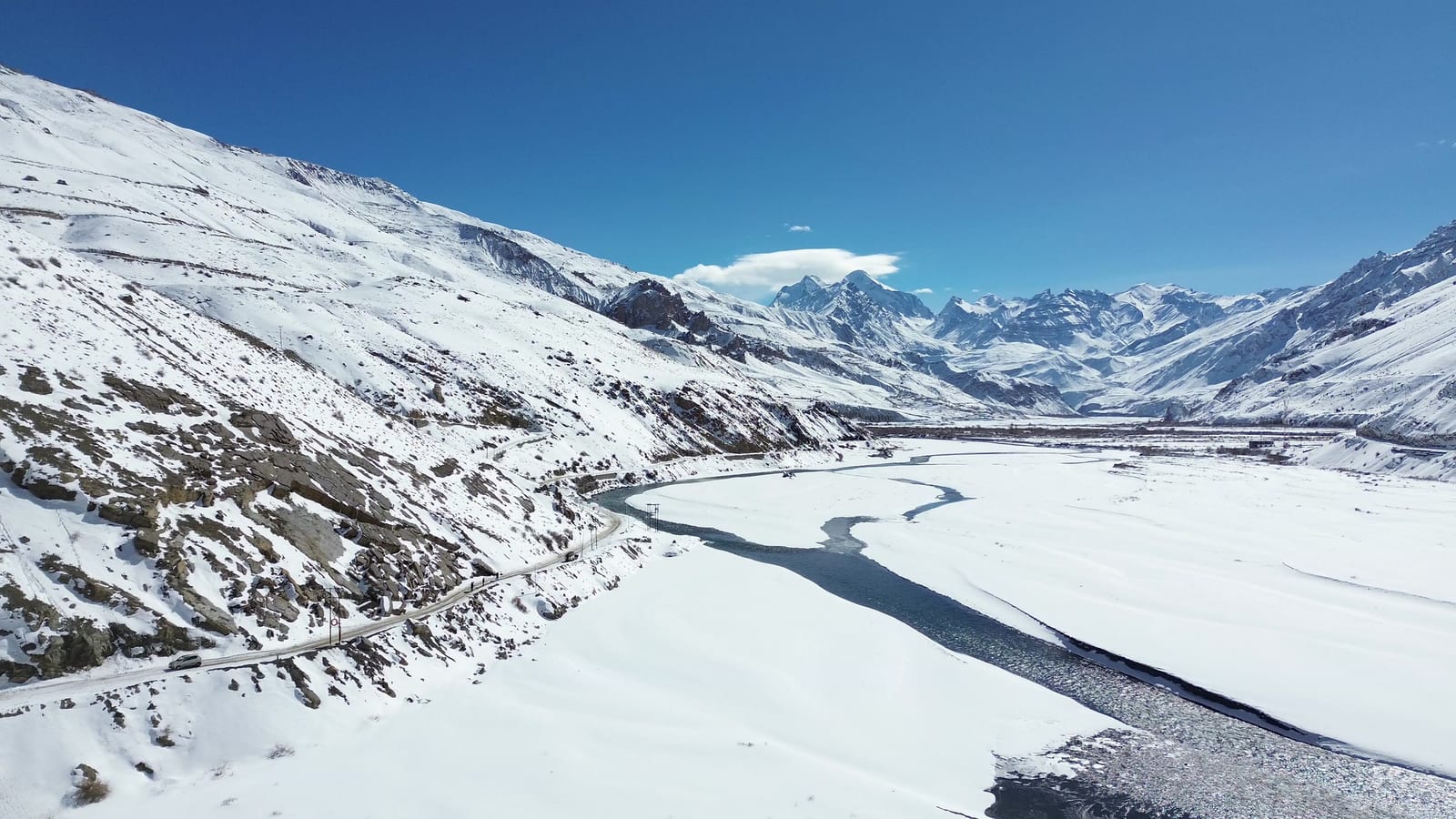
Spiti is a cold desert. Even in summer, evenings at 3,600 m are cold, and in winter the nights drop to minus 20 °C. The trick is layers you can add and remove, not one huge jacket.
Clothing for winter (December to March)
Think in three layers: a thermal base, an insulating middle and a windproof outer shell.
- 2 sets of thermal innerwear (top and bottom)
- 2 fleece or wool middle layers
- 1 down or synthetic jacket rated for sub-zero temperatures
- Windproof, ideally waterproof, outer jacket
- Insulated trousers or thermals under trekking trousers
- Woollen cap that covers the ears, a neck gaiter or buff
- Inner gloves plus insulated waterproof gloves
- 4 to 5 pairs of woollen socks
- Insulated, waterproof boots with good grip for ice; snow cleats or microspikes help
- Indoor slippers or warm booties for the hotel
Clothing for summer (June to September)
Days can be warm in the sun and evenings cold. Pack lighter, but still pack warm.
- Light full-sleeve shirts for sun protection
- 1 fleece and 1 light down or padded jacket
- Trekking trousers and comfortable walking shoes
- Cap or hat, plus a woollen cap for evenings
- A light rain jacket for the Kinnaur side in monsoon
Health and personal kit
- Any personal medicines you take, with a few extra days' supply
- A basic kit: paracetamol, ORS, antacid, anti-diarrhoea tablets, band-aids, cold and cough medicine
- Lip balm and SPF 50 sunscreen (the sun is strong at altitude, even in snow)
- Category 3 or 4 sunglasses (UV protection), important on snow
- Moisturiser, wet wipes and hand sanitiser
- Reusable water bottle; an insulated one in winter so water does not freeze
Documents and money
- Government photo ID (Aadhaar, passport or driving licence), plus a photocopy
- Passport and visa for foreign nationals (needed for the Inner Line Permit)
- Enough cash: ATMs are few and can be offline
Electronics
Batteries drain fast in the cold. Keep phones and spare batteries in an inside pocket at night.
- A 10,000–20,000 mAh power bank
- Head torch with spare batteries
- Camera batteries kept warm in an inner pocket
- A Jio or BSNL SIM works best in Spiti
What to leave at home
Heavy suitcases (soft duffel bags fit vehicles better), lots of cotton clothing (it stays cold and wet), and anything you would hate to lose. Single-use plastic is best avoided: Spiti has very limited waste management.