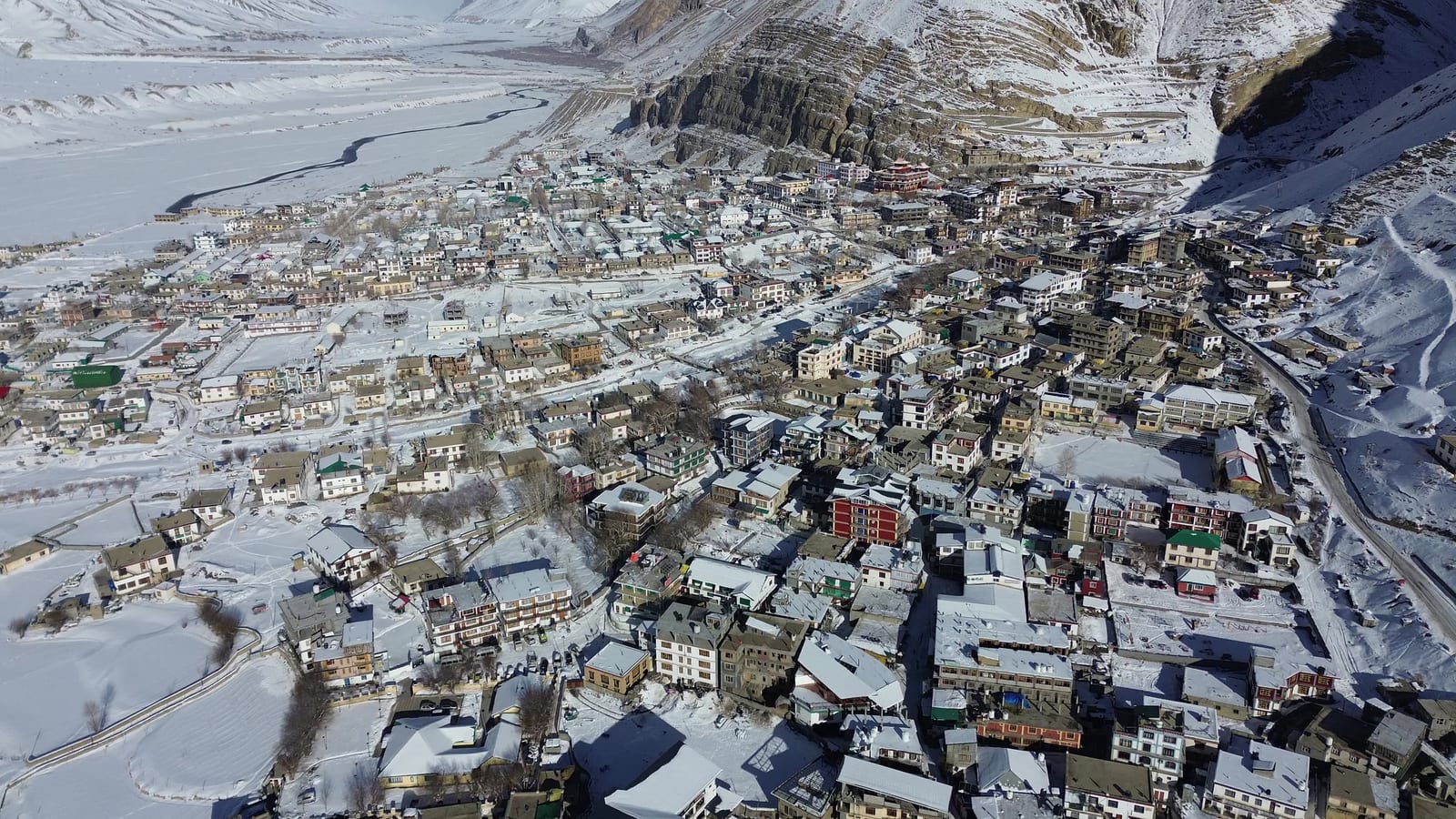
Winter Spiti New Year Expedition
A sub-zero adventure across the snow-bound valleys of Kinnaur and Spiti along the Hindustan–Tibet highway. Ring in the New Year on an open terrace facing the sacred Kinner Kailash range, staying in 3-star properties equipped for high-altitude winter.
Altitude, day by day
Where the group sleeps each night, in metres above sea level. The marked point is the highest of the trip, a day visit from Kaza.
Day by day
Where you stay
| Night | Property (3-star) | Winter heating |
|---|---|---|
| 27 Dec | Narkanda: Little Panda / Yarrows / Dyarkoul with Jay Villa | Running hot water, electric blanket, heat tower |
| 28 Dec | Tabo: Tiger Inn | Bucket hot water, electric blanket, heat tower |
| 29–30 Dec | Kaza: Victoria Palace | Bucket hot water, electric blanket, heat tower or bukhari |
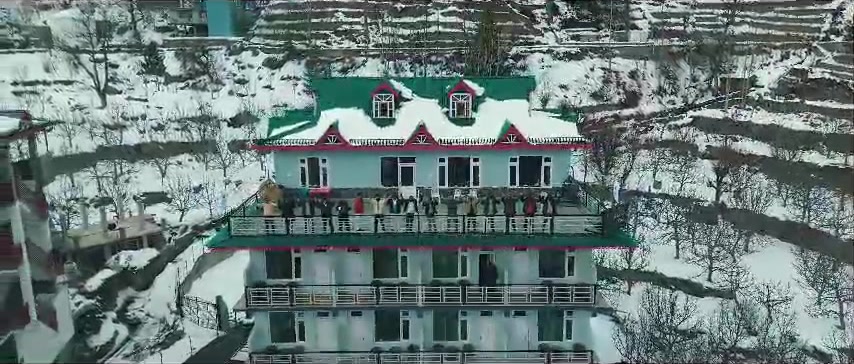
| 31 Dec – 1 Jan | Kalpa: Kinner Villa (Old Wing) | Running hot water, electric blanket, heat tower |
| 2 Jan | Shimla: Royal Regency (3-star premium) | Central heating, running hot water |
Heating runs 7 PM to 11 PM. Pipes freeze in Tabo and Kaza, so hot water comes in buckets there.
Included
- 7 nights in 3-star properties (triple sharing)
- Breakfast and dinner, Day 2 to Day 8
- Delhi to Delhi in a 12-seater Tempo Traveller
- New Year terrace party in Kalpa: bonfire, music, snacks
- Tour leader throughout
- Driver allowance, tolls, state taxes, parking
Not included
- 5% GST
- Lunches, bottled water, soft drinks
- Heating outside 7–11 PM
- Entry tickets, monastery donations, camera fees
- Extra costs from landslides or snow blocks
- Medical emergencies and evacuation
What guests say
4.9 / 5 from 89 Google reviews“So now, the equation goes like this — Winter Spiti = Group Atara”
Winter Spiti 2026
“Hotels are too good, every day follow up by team is appreciated”
Spiti Valley, October 2026
“Beautiful locations and well managed by team of World of Atara”
Spiti Valley
Good to know
How cold does it get?
Between −10°C and −20°C at altitude. Rooms have electric blankets and heat towers or a bukhari from 7 PM to 11 PM.
Why is the vehicle not heated?
Non-AC, non-heated Tempo Travellers are used in winter Spiti to stop engine coolant freezing and batteries draining on high roads. Seats rotate so everyone gets a fair turn.
What if roads close because of snow?
If authorities or BRO close a section, the tour leader may change the route for safety. Extra costs from blockages are not included.
How do I pay?
50% advance confirms your seat. The balance is due 7 days before departure.
More questions about winter Spiti
Which road does the trip take in winter?
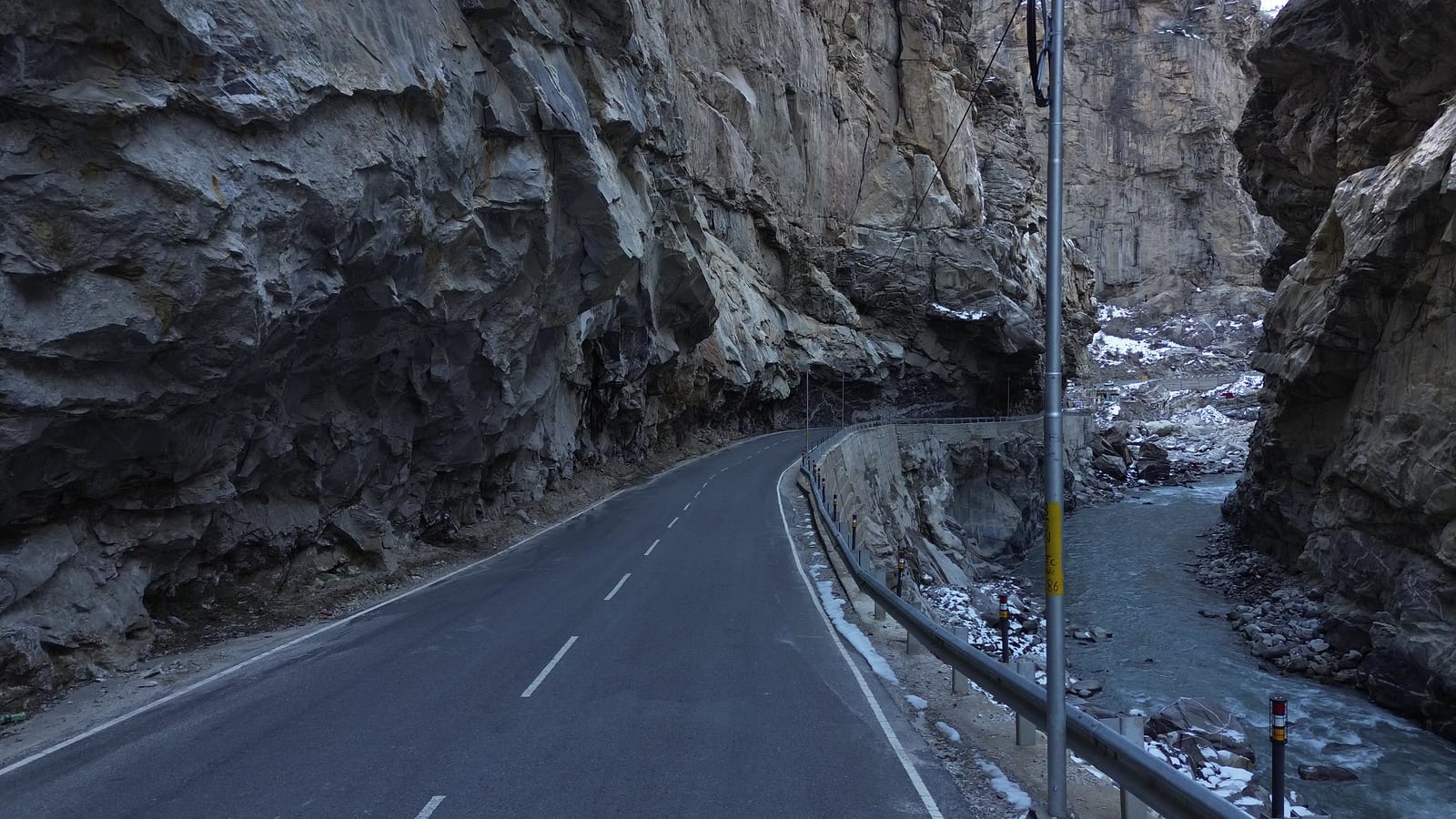
Delhi to Shimla and Narkanda, then along the Sutlej through Kinnaur into Spiti at Sumdo, to Tabo and Kaza. The Manali side is closed in winter because Kunzum Pass is under snow.
Do I need trekking experience?
No. This is a road journey with short walks in villages and monasteries. You need to be comfortable with cold and with long days in the vehicle.
How do you handle altitude?
The route climbs over three days, which helps the body adjust. Every vehicle carries oxygen and the leader checks guests with an oximeter at altitude. Tell us before booking about any heart, lung or blood-pressure condition.
Will my phone work?
Jio and BSNL work in Kaza and Tabo. Signal is weak or absent in the high villages and on parts of the Kinnaur road.
Do I need a permit?
Indian travellers do not. Foreign nationals need an Inner Line Permit for the stretch near the border between Kinnaur and Spiti, which Atara arranges.
Is there hot water?
Yes. In Narkanda, Kalpa and Shimla it is running hot water; in Tabo and Kaza it comes in buckets, because pipes can freeze in winter.
What should I pack?
Thermals, two fleece layers, a sub-zero down jacket, waterproof gloves, woollen socks, insulated boots with grip, sunglasses and a power bank. See our full Spiti packing list.
Can I see Chandratal on this trip?
No. The road to Chandratal is closed in winter; it is a summer trip.